Mistaken Identities: Sea Otters vs. River Otters

In this installment of our Mistaken Identities series, we dive into the differences between two otter species.

  • Animals

One of these otters is not like the other.

All otters are carnivorous mammals that belong to the same family as weasels, wolverines and badgers. There are 14 species of otters found around the world, from Asia to Africa to the Americas. Only two of these species—sea otters and North American river otters—have populations in the United States. Sea and river otters share some common characteristics, but there are a lot of differences that set them apart.

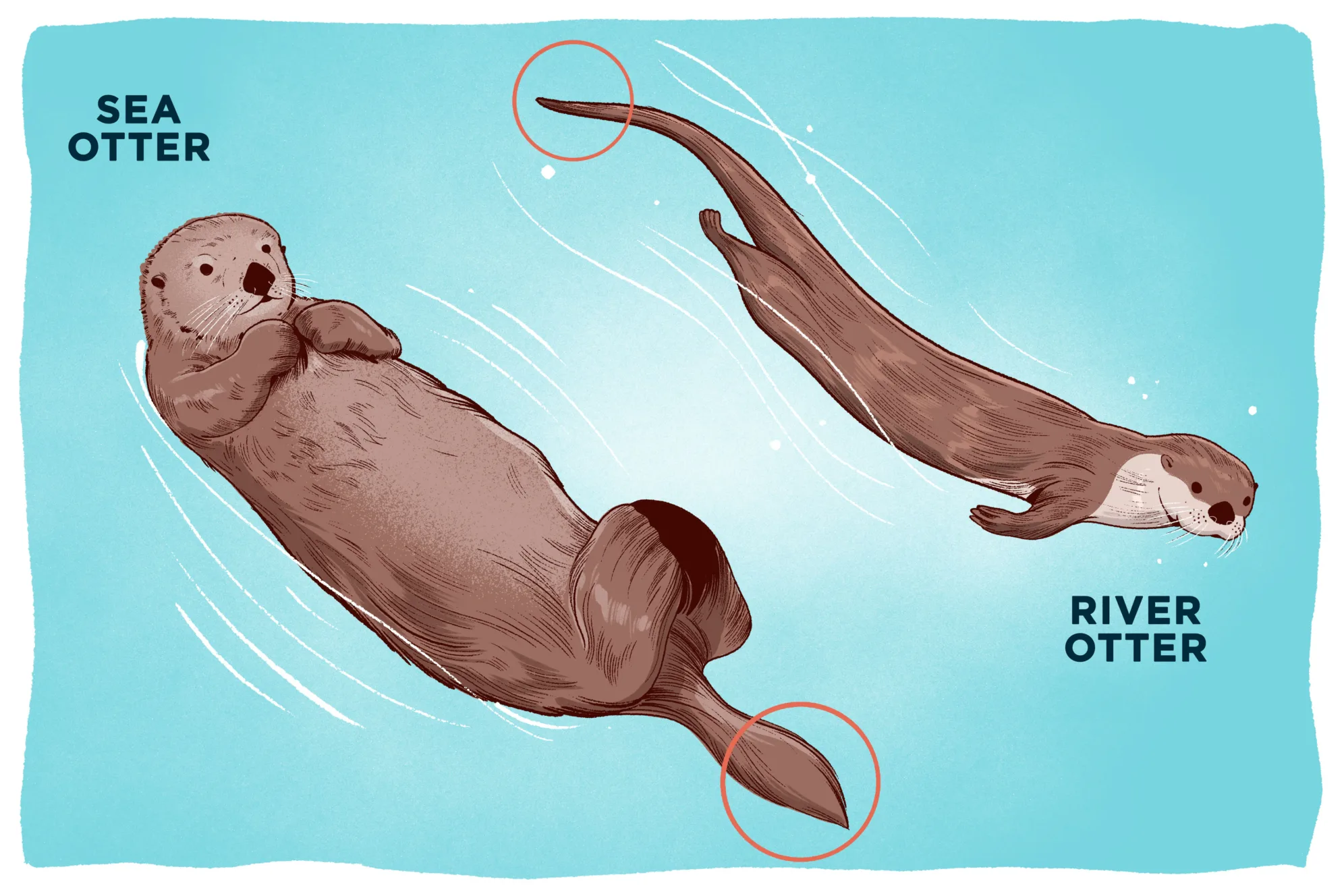
Their names offer a first clue. Sea otters are ocean-dwellers that rarely leave the water. River otters, on the other hand, are semi-aquatic. They spend most of their time on land, but can also be found in freshwater rivers, streams, lakes, ponds, wetlands and marshes. River otters hunt for prey in waterways; they also frequently travel by water, swimming from place to place.

Sea otters are the larger of the two species, weighing about 60 to 90 pounds, compared to river otters' 10 to 30 pounds. And sea otters mostly float on their backs on the water's surface, while river otters swim and dive belly-down. There are other key differences to look for, too, if you're trying to tell one of these otter species from the other.

Other Differences

But wait, there's more! There are other ways to differentiate between sea otters and North American river otters.

Diet

Sea otters mostly eat invertebrates such as clams, mussels, snails, crabs and urchins. By feeding on urchins, sea otters help control urchin populations and prevent them from overgrazing on giant kelp. A steady diet of urchins can also turn sea otters' teeth and bones pale purple! River otters feed on a broader range of prey. They eat crabs and mollusks, too, as well as fish, frogs, turtles, crayfish, small birds, rodents, insects and more.

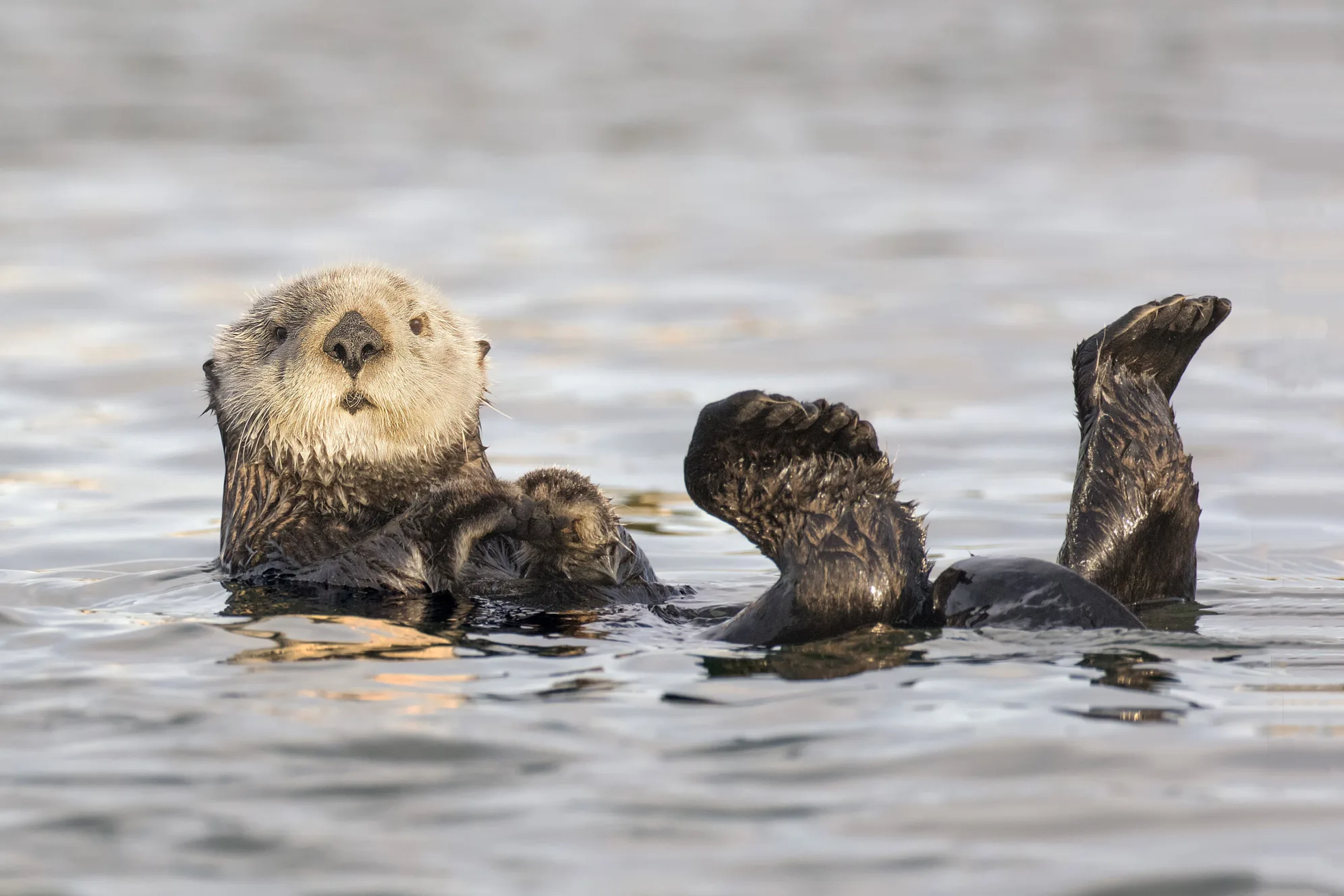
Sea Otter Floating on Its Back With Its Rear Legs Sticking Up Out of the Water
Sea otter

Habitat

Sea otters live in the Pacific Ocean from the Pacific Northwest into Canada. River otters inhabit freshwater and coastal habitats throughout Canada and the United States. Their range stretches from the Atlantic coast to the Pacific.

Population Status

In the early 1900s, both sea otters and river otters faced serious population declines because their thick fur was in such high demand by humans. Beginning in the 1950s, trapping limits combined with healthier waterways benefited river otters and allowed their populations to rebound. Today, North American river otters are a species of least concern according to the IUCN Red List of Threatened Species.

Sea otters, unfortunately, are not faring as well. Sea otters are classified as endangered with their populations largely depleted. According to Karen McDonald, an educator at the Smithsonian Environmental Research Center, one concern for sea otters is toxoplasmosis. This common parasite spreads through the droppings of domestic and wild cats, which can wash into waterways through runoff and cause fatal infections in sea otters. In addition to parasites, predators, and poachers, warming ocean temperatures due to climate change are a major threat to sea otter populations.

Protecting Otters

The best way to protect sea otters and North American river otters—and all aquatic species—is to support healthy waterways. You can do this by taking steps (even small ones!) to combat climate change, stop plastic pollution, and protect habitats.

Mistaken Identities More in This Series

Animals Mistaken Identities: Ospreys vs. Bald Eagles

Animals Mistaken Identities: Blue Crabs vs. Green Crabs

Animals Mistaken Identities: Bees vs. Wasps

Subscribe To Our Newsletter Sign up to receive updates on animals, news and events.